Markham Locksmith

A handle that feels loose. A key that turns, but doesn't seem to do anything. A deadbolt that takes more effort each week. You can call Markham Locksmith before any of these turns into a door you can't use.
We provide lock repair in Markham, ON, for homes and business premises. We check the fault, explain what can be repaired and discuss any parts that need replacing. The aim is a lock you can use comfortably and rely on when you leave.
Our mobile service brings a local locksmith to your door, whether that's a house in Berczy, a property near Main Street Markham or a workplace along Highway 7. Urgent faults and planned repairs are both welcome.
It's easy to get used to a slightly awkward lock. You give the handle an extra pull. You turn the key back a little, then try again. After a while, you do it without thinking.
A visitor notices straight away.
If there's a special technique for getting through your own door, the lock or the door itself deserves a look. Some useful warning signs include:
These symptoms don't all point to the same repair. A loose fitting is different from a worn internal part. A damaged key is different from a fault in the lock. We check what's causing the problem before recommending the work.
For a rarely used side entrance, a fault can go unnoticed for ages. Then the day comes when you need that door and discover how bad it has become. It's worth trying the doors you don't normally use, especially if you've been avoiding one because it's troublesome.
And if the front door has become unreliable, give it priority. A lock that sometimes works and sometimes doesn't can leave you unsure whether the house is actually secure. You shouldn't have to keep going back to check it.
The key is a useful place to start. We look at its condition and how it operates the lock. If you have another copy, keep it available for the visit. Comparing the two can help us tell a key problem from a fault in the mechanism.
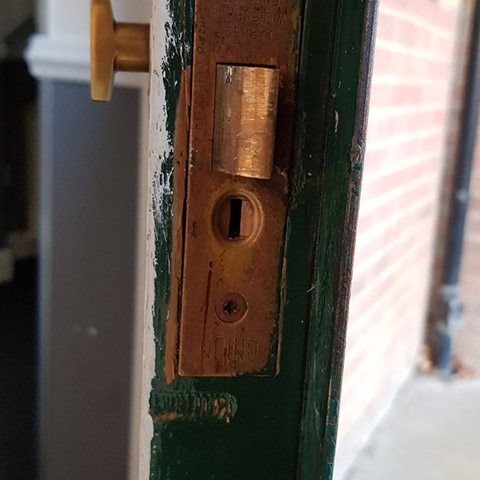
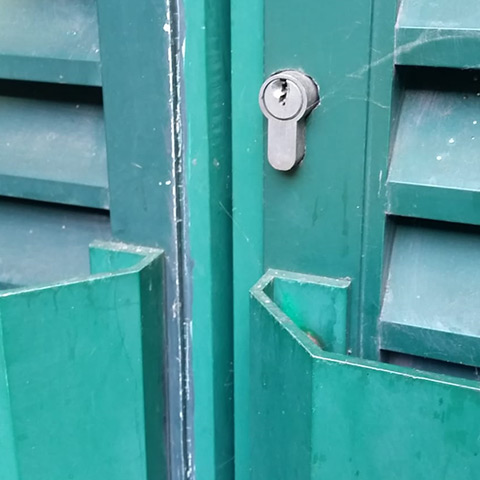
Then we check the moving parts and fittings. A loose handle, worn latch or damaged cylinder can affect the way the lock feels. The cylinder is the part your key goes into; a problem there doesn't always mean every piece of the door hardware needs replacing.
The fit of the door matters as well. If the bolt is pressing against the frame, turning the key can take more force than it should. The cause may sit outside the lock itself. We check that relationship so the proposed repair deals with the actual fault.
We've been doing locksmith work for over 20 years. A useful part of that experience is knowing when to look beyond the first symptom. You may call about a stiff deadbolt, but the right repair depends on why it has become stiff.
Often, yes. Some repairs keep the existing key and cylinder. Other work may involve changing parts or rekeying, which can change the key you use. We'll explain that before the work goes ahead so you know what to expect.
Repair and rekeying have different purposes. Repair addresses a fault. Rekeying changes which key operates a suitable lock. If the hardware works well but you're worried about a missing key, rekeying may be the service you need. If the lock is damaged, changing its key alone won't fix that damage.
You can also point out anything that has changed recently. New difficulty after work on the door, for example, is useful information. You don't need to diagnose it. Just having that bit of history can help.
Some door fittings are worth keeping. You may like the finish, want to match the other doors or prefer the feel of the handle already there. In a Markham Village home with an older entrance, keeping that look may be part of the brief.
We can assess whether repair is a practical option. The condition of the hardware and the availability of suitable parts both matter. An older lock may still be repairable; a newer one may have damage that makes replacement the better choice.
For business doors, the amount of daily use matters too. A repair needs to stand up to the job that door does. We'll discuss whether the existing hardware is suitable or whether a replacement would make more sense.
"Could you just tighten it?" Sometimes a loose fitting needs attention rather than a whole new lock. We still check why it has worked loose and whether any parts are damaged. A repair should leave the door working properly, not just feeling better for the next few turns.
The price depends on what we find and which parts are needed. We can discuss an estimate when you describe the fault. If the full cost needs an on-site check, we'll explain that. Labour, parts and any visit charges should be clear before you approve the work.
More force is rarely a good way to settle an argument with a lock. If the key is bending, stop. If the handle feels ready to come off, avoid another hard pull. Keeping the damage as it is makes the fault easier to assess.
Leave any broken pieces together. If you've already removed a screw or a cover, keep those parts too. A small container is useful here; loose screws have a talent for disappearing at exactly the wrong time.
No lecture from us. Explain what you removed and keep the pieces for the visit. A photo taken before you started may help show how the hardware was fitted. Avoid making further changes while you're unsure what needs to go back where.
If the door cannot be secured, or the lock has left you outside, call about our 24-hour emergency service. We'll check current availability and give you an arrival estimate. Damage to the door or frame may need attention beyond the lock itself, which we can discuss after checking it.
For lock repair in Markham, call 905-910-0344. If you've been meaning to deal with that loose handle for a while, this is a good time.